
Understanding the psychology behind gambling Why we play and what drives us
The Allure of Risk and Reward
Gambling taps into the human instinct for risk-taking, offering the tantalizing prospect of substantial rewards. This element of uncertainty provides a thrill that many find irresistible. As individuals place bets, they experience heightened emotions that can lead to excitement and anticipation. This rush often overshadows the potential for loss, driving players to return repeatedly in search of the next big win. In this context, exploring an online australian casino becomes an attractive option for many players seeking excitement.
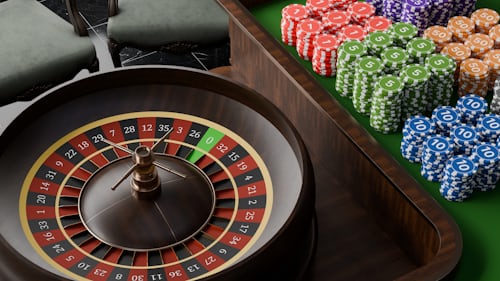
The psychology behind this behavior can be linked to what is known as the “variable ratio reinforcement schedule.” This principle suggests that rewards are more motivating when they come unpredictably, similar to how slot machines operate. The possibility of winning encourages players to keep trying, creating a cycle of behavior that can be difficult to break.
The Role of Social Influence
Another significant factor in gambling behavior is social influence. Many individuals engage in gambling within social settings, such as casinos or online platforms that encourage interaction. The presence of others can amplify the excitement and enjoyment, making the experience more appealing. Social dynamics play a crucial role in shaping our decisions, often pushing individuals to gamble more than they initially intended.
Moreover, the desire to fit in or be part of a group can lead to increased gambling activity. As friends or acquaintances engage in betting, individuals may feel compelled to join in, even if they are not typically inclined to gamble. This social reinforcement can create a sense of belonging, further complicating the motivations behind gambling behavior.
Addiction and Escapism
For some, gambling serves as an escape from daily life challenges. The thrill of placing a bet or the distraction of a game can provide temporary relief from stress, anxiety, or boredom. This escapist tendency can make gambling an appealing option for those seeking solace in high-stakes situations. However, it can also lead to problematic behaviors when individuals begin to rely on gambling as their primary means of coping.
The potential for addiction is an ever-present risk. As individuals seek out the euphoric highs associated with gambling, they may become desensitized to losses. This can lead to increased betting and a dangerous cycle of chasing losses, where players gamble more in an attempt to recoup what they have lost, ultimately exacerbating their situation.
The Impact of Technology on Gambling
Advancements in technology have transformed the gambling landscape, making it more accessible than ever before. Online casinos and mobile gaming applications allow individuals to gamble from virtually anywhere, increasing the frequency and convenience of play. This accessibility can intensify the psychological triggers associated with gambling, as the barriers to entry are significantly lowered.
Furthermore, technology has introduced new forms of gambling, such as esports betting and virtual reality casinos. These innovations appeal to younger audiences and harness the engaging aspects of gaming. The immersive experience provided by these technologies not only keeps players entertained but also heightens the emotional stakes involved in gambling, leading to increased participation.

Explore Responsible Gambling Resources
Understanding the psychology behind gambling is essential for fostering responsible gambling habits. It is vital to recognize the emotional and social factors that drive individuals to gamble, ensuring that they remain aware of their motivations. Many platforms offer resources to promote safe gambling practices, encouraging players to set limits and seek help if needed.
By participating in informed discussions and accessing educational materials, players can make better choices. Online communities and resources can provide support, helping individuals navigate the complexities of gambling. Understanding one’s own psychology in relation to gambling can lead to healthier habits and a more enjoyable gaming experience.