
The Nature of Luck in Gambling
Luck is often perceived as a mysterious force that influences outcomes, particularly in gambling scenarios. It is frequently romanticized in popular culture, where tales of fortunate players striking it big are recounted with enthusiasm. When visiting a casino, many patrons hope that luck will be on their side, believing that certain games or times may yield favorable results, especially when they take advantage of casino instant withdrawal options that enhance their experience. However, the relationship between luck and gambling is complex and worth exploring in depth. This complexity is further enriched by individual beliefs and superstitions that players might hold.
The randomness of casino games provides a framework where luck plays a pivotal role. Slot machines, card games, and roulette wheels operate on principles governed by chance. For example, a player could spin a slot machine one moment and win a jackpot, only to face a string of losses in subsequent spins. This unpredictability can lead to the illusion that luck is a tangible force that ebbs and flows, creating highs and lows in a player’s experience. Such experiences can lead to emotional highs when wins occur and significant lows during losing streaks, making it crucial to understand how luck affects a player’s mindset.
Moreover, the psychological impact of luck cannot be ignored. Gamblers often attribute their wins to good fortune and their losses to bad luck. This perspective can shape a player’s mindset and influence their behavior at the casino. Some players may continue to gamble, driven by the belief that their luck will change, while others may withdraw entirely, convinced that the odds are not in their favor. Understanding this psychological component is essential for a complete view of luck’s role in the gambling experience, as it can lead to a cycle of optimism or despair based on one’s perception of luck.
The Role of Skill vs. Luck
While luck is undeniably a factor in many casino games, it is essential to distinguish between games of chance and games of skill. Table games like poker or blackjack offer opportunities for skilled players to utilize strategies that can influence the outcome. In these contexts, luck might still affect individual hands or rounds, but a knowledgeable player can capitalize on their understanding of the game to improve their overall results. This creates a dynamic interplay between luck and skill, highlighting the importance of experience in shaping outcomes.
For instance, consider poker, where successful players account for both the cards they hold and the tendencies of their opponents. A skilled player may leverage their knowledge of probabilities and psychology, increasing their chances of winning despite the inherent randomness of the cards dealt. This demonstrates that while luck may initially determine the outcome of a single hand, strategic thinking can dramatically impact long-term success. In this way, the role of skill serves to mitigate the unpredictability brought forth by luck, enabling players to navigate the complexities of the game more effectively.

On the other hand, games such as slots and roulette are purely based on chance, leaving players with little control over the outcome. In these scenarios, luck is the sole decider of wins and losses. Players who prefer these forms of gambling may adopt a more relaxed attitude, seeing their experience as entertainment rather than a strategic challenge. However, it’s vital to remember that while skill can mitigate the role of luck, it cannot eliminate it altogether. Recognizing this distinction can help players set realistic expectations for their gaming experiences.
The Impact of Environment on Luck
Interestingly, the environment of the casino can also influence players’ perceptions of luck. Factors such as décor, lighting, and atmosphere contribute to the overall experience, often heightening emotions tied to winning or losing. Casinos are intentionally designed to create an exhilarating ambiance that can make players feel lucky or on a winning streak, even when the odds remain statistically unchanged. This emotional component can lead to players underestimating the role that chance plays in their outcomes, blurring the line between luck and the casino’s designed experience.
Moreover, social interactions within casinos can amplify the perception of luck. Players often share stories of their wins or celebrate together when one strikes it big, fostering a sense of communal luck. This phenomenon can lead to a contagious belief that luck is present in the air, prompting players to partake in games they may not have originally considered. Such dynamics can play a role in influencing individual experiences within a casino, as players may feed off each other’s energy and beliefs about luck, creating a unique social environment that can impact their gaming activities.
Additionally, the timing of visits can skew perceptions of luck. Players may believe that certain times of day or specific days of the week are luckier than others based on personal experiences or anecdotes from other players. This belief can lead to a self-fulfilling prophecy, where the expectation of luck leads to increased engagement and, possibly, more positive outcomes. However, it’s essential to remain grounded in the understanding that luck is ultimately a product of chance, and while these beliefs can enhance the experience, they should not dictate a player’s approach to gambling.
Lucky Charms and Rituals
The concept of luck extends beyond pure chance, often manifesting in rituals and superstitions among players. Many gamblers engage in unique customs or employ perceived lucky items, such as wearing a specific outfit, carrying a lucky coin, or performing a particular routine before placing bets. These practices highlight the human inclination to seek control over unpredictable outcomes and may enhance the gambling experience by providing emotional comfort. Engaging in rituals can create a sense of familiarity and confidence that players may find reassuring.
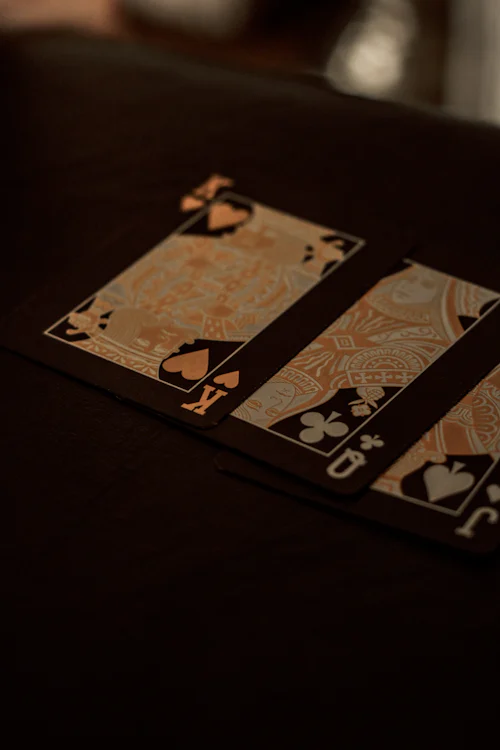
For example, a player might believe that wearing their “lucky shirt” will increase their chances of winning. While there is no scientific basis for such beliefs, the psychological comfort derived from these rituals can impact a player’s approach to gambling. Confidence built through these practices may lead to more decisive actions during gameplay, potentially influencing results, albeit indirectly. This interplay between belief and behavior underscores the importance of understanding how personal perceptions of luck can shape the gambling experience.
Ultimately, engaging in these rituals can be a double-edged sword. While they may enhance the pleasure and excitement of gambling, they can also lead to negative consequences if players become reliant on them for a perceived sense of control. It is crucial for gamblers to remain aware of the boundaries between luck, belief, and reality to maintain a balanced perspective when approaching the games. This balance can contribute to a healthier gaming experience, allowing players to enjoy the thrill of chance without being overly influenced by superstitions.
Understanding Your Casino Experience
Your overall casino experience is a blend of various factors, including game choice, personal mindset, and, of course, luck. Each visit can be unique, shaped by the interplay of these elements. Recognizing the role of luck and how it interacts with skill and environment can lead to a more fulfilling and enjoyable gaming experience. Whether you’re aiming for a jackpot or simply hoping for an exciting night of entertainment, understanding the nuances of gambling can enhance the satisfaction drawn from your time spent at the casino.
Furthermore, casinos often provide numerous resources to help players understand the games and odds involved. By educating yourself on game mechanics, strategies, and the overall casino environment, you can make informed decisions that can maximize your enjoyment. Embracing both the luck factor and the strategic elements can create a balanced approach to gambling, allowing for both excitement and responsibility. This knowledge empowers players to navigate their casino experience with greater insight and confidence.
In conclusion, while luck certainly plays a significant role in the casino experience, it is essential to recognize that it is not the sole dictator of outcomes. By blending knowledge, strategic thinking, and an awareness of the environmental influences, players can enhance their gambling experiences and approach their time at the casino with a well-rounded perspective. Ultimately, understanding the multifaceted nature of luck and its interactions with skill and environment can lead to a more gratifying and responsible gaming journey.