
Understanding the psychology of players in the casino environment
The Role of Excitement in Gambling
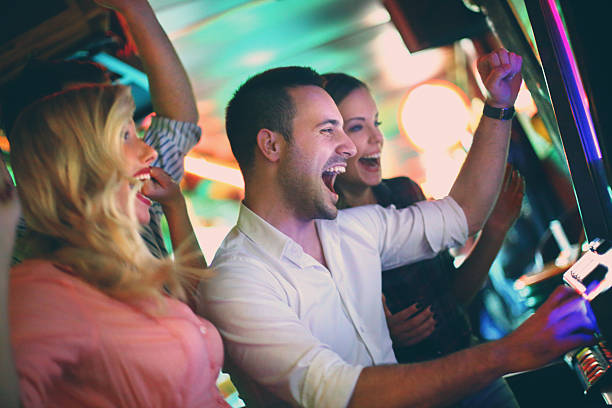
The thrill of gambling attracts many players, often driven by the excitement of winning. This rush is linked to the release of dopamine, a neurotransmitter associated with pleasure. When players engage in games, especially those with high stakes or fast-paced action, their brains are stimulated, leading to an exhilarating experience. This feeling can become addictive, prompting players to return repeatedly in search of the next high. If you want to learn more, visit https://artjonesforcongressman.com/.

Moreover, the casino environment is designed to amplify this excitement. The bright lights, loud sounds, and vibrant colors create an atmosphere that heightens anticipation and encourages risk-taking behavior. This sensory overload can distract players from the reality of their losses, making them focus on the potential for big wins. Understanding how excitement influences player behavior can help casinos create a more engaging environment while also highlighting the risks of overindulgence.
Players often chase these moments of excitement, leading to what is known as “loss chasing.” This behavior can manifest when individuals continue to gamble in hopes of recovering losses, often leading to larger financial pitfalls. Recognizing this pattern is crucial for both players and casino operators, as it underscores the need for responsible gaming practices and awareness of personal limits. An instant withdrawal casino no verification option can provide smoother access for players looking to enjoy games without unnecessary delays.
The Influence of Environment on Player Behavior
The casino atmosphere plays a significant role in shaping player psychology. Factors such as lighting, layout, and music all contribute to an immersive experience. For instance, a casino might use soft lighting and soothing music to create a relaxed environment, encouraging longer play times. This careful orchestration helps maintain player engagement and can lead to increased spending.
Additionally, the physical arrangement of games can impact player behavior. Games that are strategically placed near entrances or in high-traffic areas often see more action than those tucked away in quieter corners. This placement, combined with enticing promotions, can draw players in and keep them engaged for extended periods. Understanding these environmental cues is essential for both players and operators, as it highlights the subtle ways that casinos can influence behavior.
Furthermore, social dynamics also play a crucial role in the casino environment. Players often observe others’ actions, which can affect their own decisions. For instance, witnessing a nearby player winning a substantial sum can trigger feelings of FOMO (fear of missing out), prompting onlookers to participate more aggressively. Recognizing these psychological triggers can help players make more informed decisions while gaming.
The Impact of Cognitive Biases on Gambling Decisions
Cognitive biases significantly affect players’ decisions in casinos. One common bias is the “gambler’s fallacy,” where players believe that past outcomes will influence future events. For example, if a player has lost several rounds in a row, they might assume that a win is “due” and continue betting, leading to further losses. This fallacy can cloud judgment and lead to irresponsible gambling practices.
Another bias is the “illusion of control,” where players believe they can influence the outcome of a game through skill or strategy, even in games of chance like slot machines or roulette. This belief can encourage players to take risks they might otherwise avoid, leading them to wager larger amounts in the hope of bending the odds in their favor. Understanding these cognitive biases can empower players to approach gambling with a more realistic mindset.
Lastly, the “near-miss effect” plays a crucial role in reinforcing gambling behavior. When players experience outcomes that are close to winning—such as two symbols matching on a slot machine—they often perceive this as a form of success. This psychological reinforcement can keep players engaged, fostering a belief that a big win is just around the corner. Recognizing these biases is vital for promoting responsible gaming and helping players maintain control over their gambling behavior.
The Role of Social Interaction in Casinos
Social interaction is a fundamental aspect of the casino experience, influencing player behavior and enjoyment. Many players enjoy the camaraderie that comes from playing games in a group setting or at a table with friends. This social element can enhance the overall gaming experience, making it more enjoyable and fostering a sense of belonging. The shared excitement of wins and the collective tension of losses create a unique atmosphere that keeps players returning.
Moreover, interaction with casino staff also affects player psychology. Friendly dealers and attentive service can enhance a player’s mood and make them feel valued, often leading to longer gaming sessions. The social dynamics of casinos facilitate a network of communication, with players sharing tips and strategies, which can further impact their decisions at the tables.
While social interaction can enhance the experience, it also poses risks. Players might feel pressured to keep up with their peers, leading to larger bets and impulsive decisions. Understanding the dual nature of social dynamics in casinos can help players navigate their gaming experiences more mindfully, balancing social enjoyment with responsible gambling practices.
Promoting Responsible Gaming Awareness
As the psychology of players in casinos becomes clearer, the importance of promoting responsible gaming practices is paramount. Awareness campaigns aimed at educating players about the psychological factors that influence their behavior can empower them to make informed decisions. Casinos can play a vital role in this effort by providing resources and support systems to encourage responsible gambling.
Additionally, casinos should implement strategies to minimize the risks associated with gambling. This can include setting limits on bets, offering self-exclusion programs, and providing access to counseling services for those who may develop gambling-related issues. By prioritizing player well-being, casinos can create a healthier gaming environment that fosters enjoyment without compromising financial stability.
Ultimately, understanding player psychology can lead to better practices within the industry. By addressing both the thrilling aspects of gaming and the psychological pitfalls players may encounter, casinos can contribute to a culture of responsible gambling. This approach not only benefits players but also enhances the overall reputation of the gaming industry.